
This isn't a story about internet service. It's a story about what happens when you refuse to accept the first no — or the second, or the third — and you keep thinking, keep adapting, and keep going until you win.
My Starlink broke. Not ideal. I called, got a replacement router shipped out. It arrived. It didn't connect. I called again. They ran diagnostics for 40 minutes — 40 minutes — and concluded the brand new replacement router was defective. Their solution? Since I'd just received a free replacement, I'd have to pay for the next one.
I asked for a manager. They scheduled a callback.
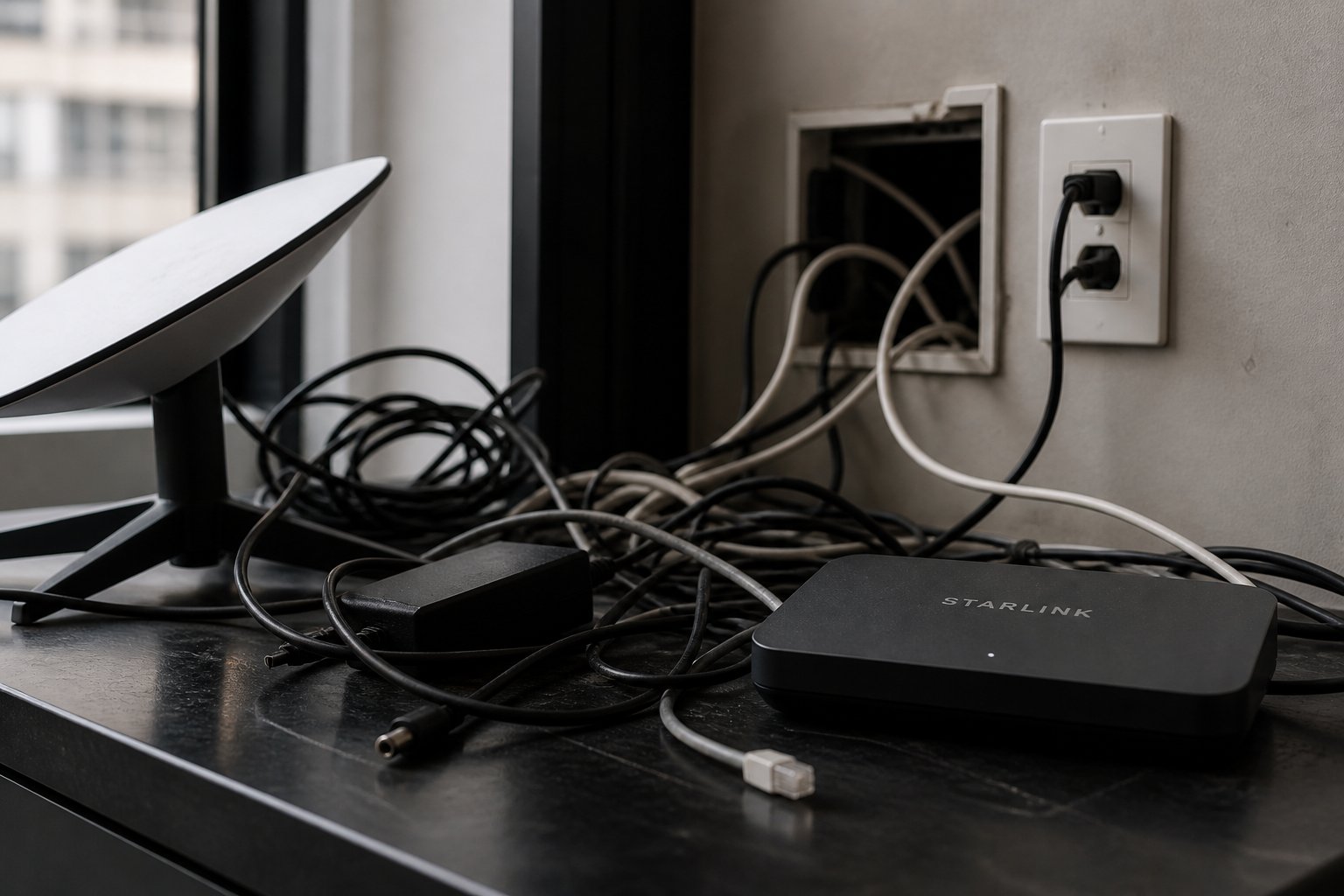
While I waited, I went back to the equipment myself. Checked every plug. Hard reset everything. Tried again.
Still nothing.
|
Most people would have stopped here. Paid the fee. Moved on. That's exactly what the system is designed to make you do. |
I didn't stop. Because I've learned something after two decades of closing deals in the most competitive real estate market on the planet: systems — whether they're customer service systems, negotiation systems, or life itself — always have a path through. Your job is to find it before the other side decides you're not worth the trouble.
Knowing the Game Before You Play It
Here's where it gets interesting. When the manager's call came in, I had already thought three moves ahead.
I knew that if I let them run a full router diagnostic, they would confirm the router as defective — which they'd already done — and use that as justification to charge me for a replacement. The system had a logic to it, and that logic was pointed against me.
So I didn't let them run the router diagnostic.
Instead, I guided the conversation toward a dish diagnostic — just the dish, not the router. One specific test. The result came back undetermined. Not defective. Not working. Undetermined. That's a different category entirely. And undetermined, in their system, triggered a different outcome.
They offered, as a courtesy, to ship me a full replacement: new dish, new router, all new cables. The whole system. Free.
|
I didn't get lucky. I understood the rules of the system better than the person running it — and I used that understanding to find the one path that existed through it. |
This Is Not About Starlink
I'm telling you this story because it is the same story as every deal I've ever closed, every objection I've ever overcome, every building I've ever sold that someone told me was unsellable.
The Huxley sat for four years. Rates doubled. The elevator broke in July. A feng shui master killed a deal in the final hour. We adapted. We found the path. We closed 100%.
I've had buyers walk away three times before coming back and signing. I've had sellers who told me my commission was too high — and I've shown them the math on what underpricing their listing actually costs them, and watched them write the check with conviction.
Every one of those situations had the same shape as the Starlink call: a system designed to produce a default outcome, and a person on the other side who would accept that outcome if I did.
I never do.
|
The system wants you to quit. It is built around the assumption that most people will. The moment you decide you're not most people, the rules change. |
The Three Moves That Won
I want to break this down practically, because the principle is only useful if you can apply it.
Move one: I asked for a manager instead of accepting the first answer. Not aggressively. Not emotionally. I just knew the first rep didn't have the authority to solve my problem, so I asked for the person who did. This is the most basic move in any negotiation — and most people skip it because it feels confrontational. It isn't. It's efficient.
Move two: I kept working the problem myself while I waited. I went back to the equipment. I checked every plug. I ran the hard reset. I didn't hand the problem to someone else and sit down. I stayed in it. Nothing came from that particular effort, but the act of staying in it meant I had more information when the next call came. And information is leverage.
Move three: I controlled which diagnostic they ran. This is the one most people miss. I didn't just answer their questions — I shaped the conversation toward the test that gave me the best possible outcome. I knew which result I needed and I worked backward from there. That's not manipulation. That's preparation. That's knowing your objective before you pick up the phone.
|
Ask for the person with authority. Stay in the problem. Control which questions get asked. Those three moves will get you further in a customer service call — and in a real estate negotiation — than almost anything else. |
What Quitting Actually Costs
Let me tell you what happens when you quit at step one of this story. You pay for the router. That's the immediate cost. But the real cost is what you've taught yourself: that the first no is final, that the system is bigger than you, that effort past a certain point isn't worth it.
That belief compounds. It shows up next time you're about to ask a seller to reduce a price and you pull back because you're afraid of the conversation. It shows up when a developer says they're talking to other firms and you thank them for their time instead of making the case for why you're the right choice. It shows up in every moment where the easy path is to stop pushing and the winning path is to push one more time.
I have never, in 20 years of this business, regretted staying in a negotiation too long. I have regretted walking away from a few. Not many — but enough to know that the cost of quitting is almost always higher than the cost of continuing.
Full Replacement. Free.
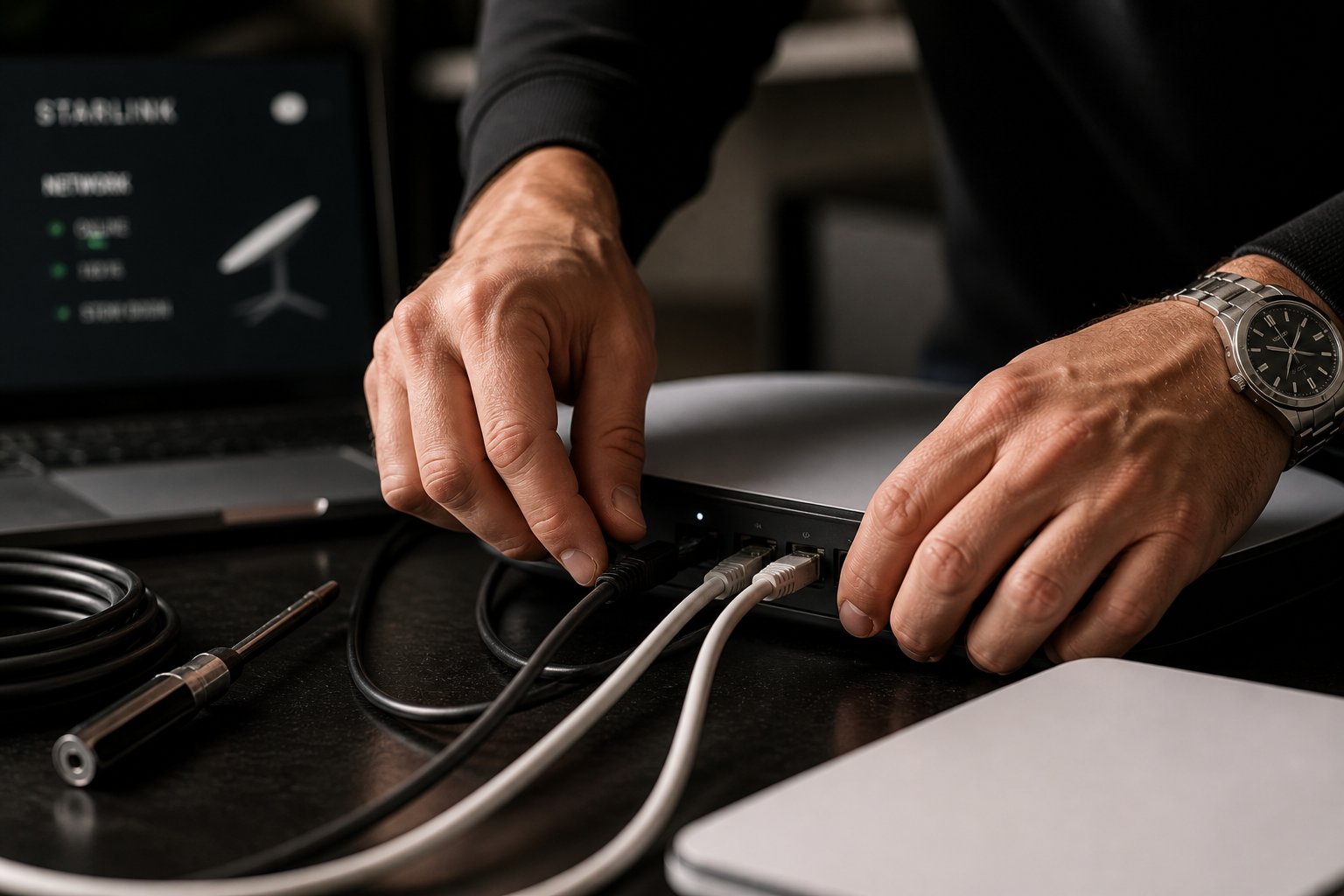
New dish. New router. All new cables. Shipping to my door. Free.
Not because I got lucky. Not because the rep had a good day. Because I understood the system, controlled the conversation, refused to accept the default outcome, and kept going long after a reasonable person would have given up.
That is the whole lesson. That is the only lesson. It applies to Starlink and it applies to a $30 million listing negotiation and it applies to every area of your life where the first answer isn't the right answer.
|
Despite every failure along the way — the defective router, the failed diagnostics, the dead ends — I won. You will too. But only if you keep going. |

Never Give Up.
Not because it always works. Not because the universe rewards persistence with magic outcomes. But because the people who don't give up are the ones who eventually find the path. And the path is always there. You just have to stay in the room long enough to see it.
The Starlink is on its way.
Never quit.

About Nile Lundgren
Nile Lundgren is the founder of The Lundgren Team at SERHANT., with over $500 million in career sales. Cast member on Netflix's Owning Manhattan. Fox News contributor. Adjunct professor at Baruch College. Creator of the Jump Cycle framework and founder of Lundgren365 — the coaching platform built for agents who refuse to quit.
Lundgren365 · nilelundgren.com · [email protected]