Manhattan with no board approval and immediate closing flexibility.
The East Village continues to outperform expectations.
Not because it is polished.
Because it is consistent.
Buyers still target the neighborhood for the same reasons:
walkability, energy, restaurant density, park access, and inventory that feels distinctly downtown Manhattan.
That demand has only increased for move-in ready apartments where buyers can avoid renovation timelines and complicated approval processes.
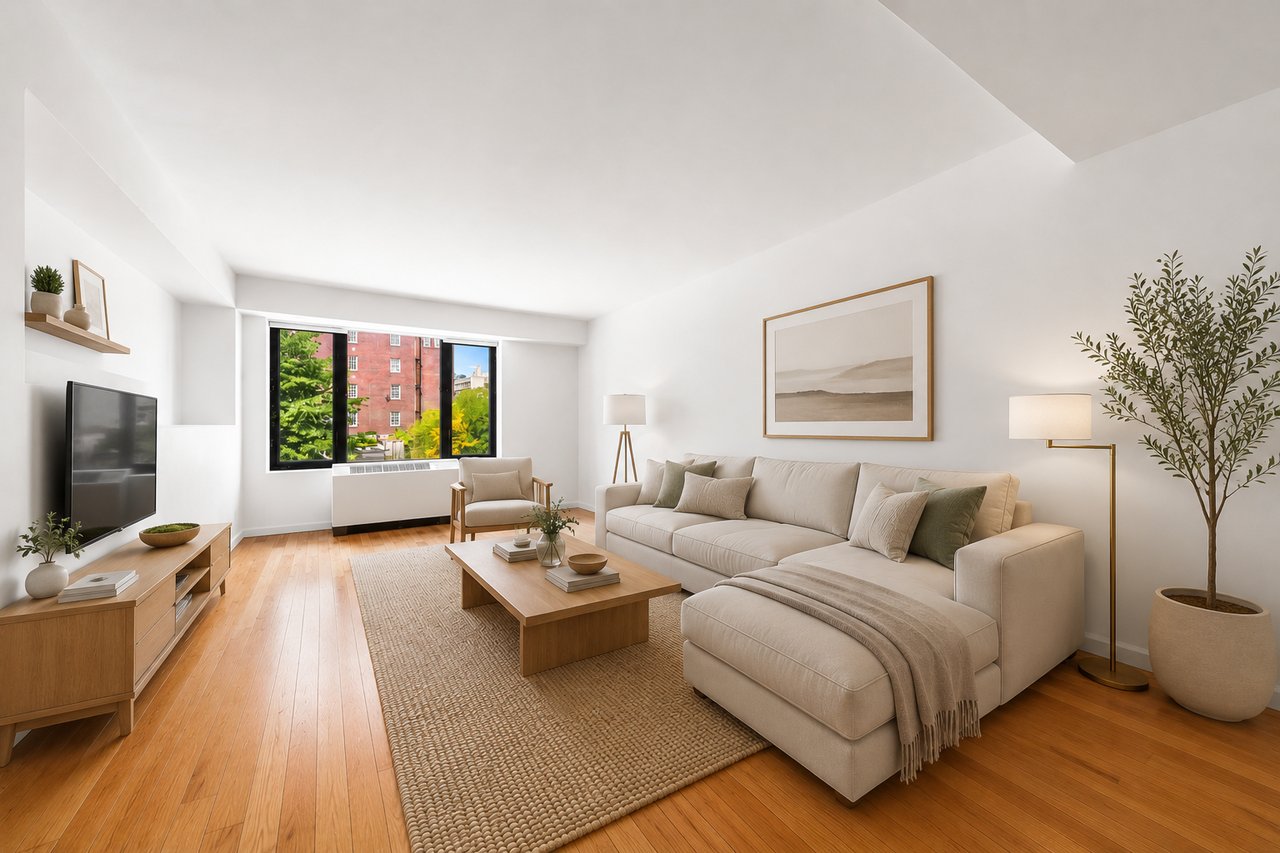
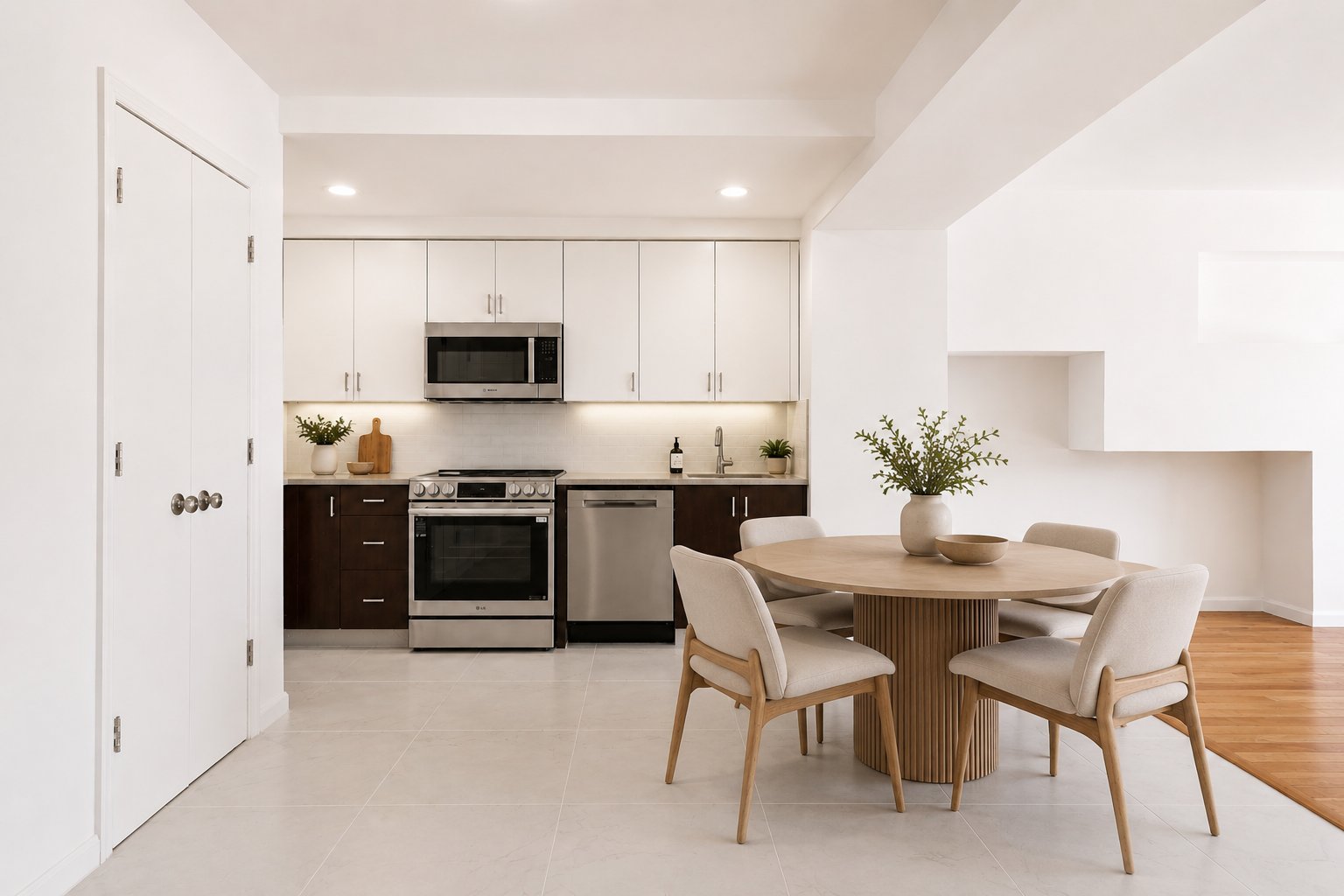
189 Avenue C Residence 4E is a strong example of what buyers are actively pursuing right now:
a renovated sponsor unit with no board approval, immediate closing, and proximity to Tompkins Square Park.
That category continues moving quickly across Manhattan.
Is the East Village Still a Good Place to Buy in 2026?
For many buyers, yes.
Especially buyers looking for neighborhoods with long-term lifestyle demand instead of trend-driven movement.
The East Village remains one of the few Manhattan neighborhoods where:
- independent retail still exists
- restaurants continue opening
- foot traffic remains strong
- daily life feels active at all hours
Inventory also remains limited compared to buyer demand.
That imbalance continues supporting pricing and competition for clean, well-positioned apartments.
What Does No Board Approval Mean in NYC?
No board approval removes one of the biggest friction points in Manhattan real estate.
Traditional co-op purchases can involve:
- board packages
- interviews
- financial reviews
- extended timelines
Sponsor units operate differently.
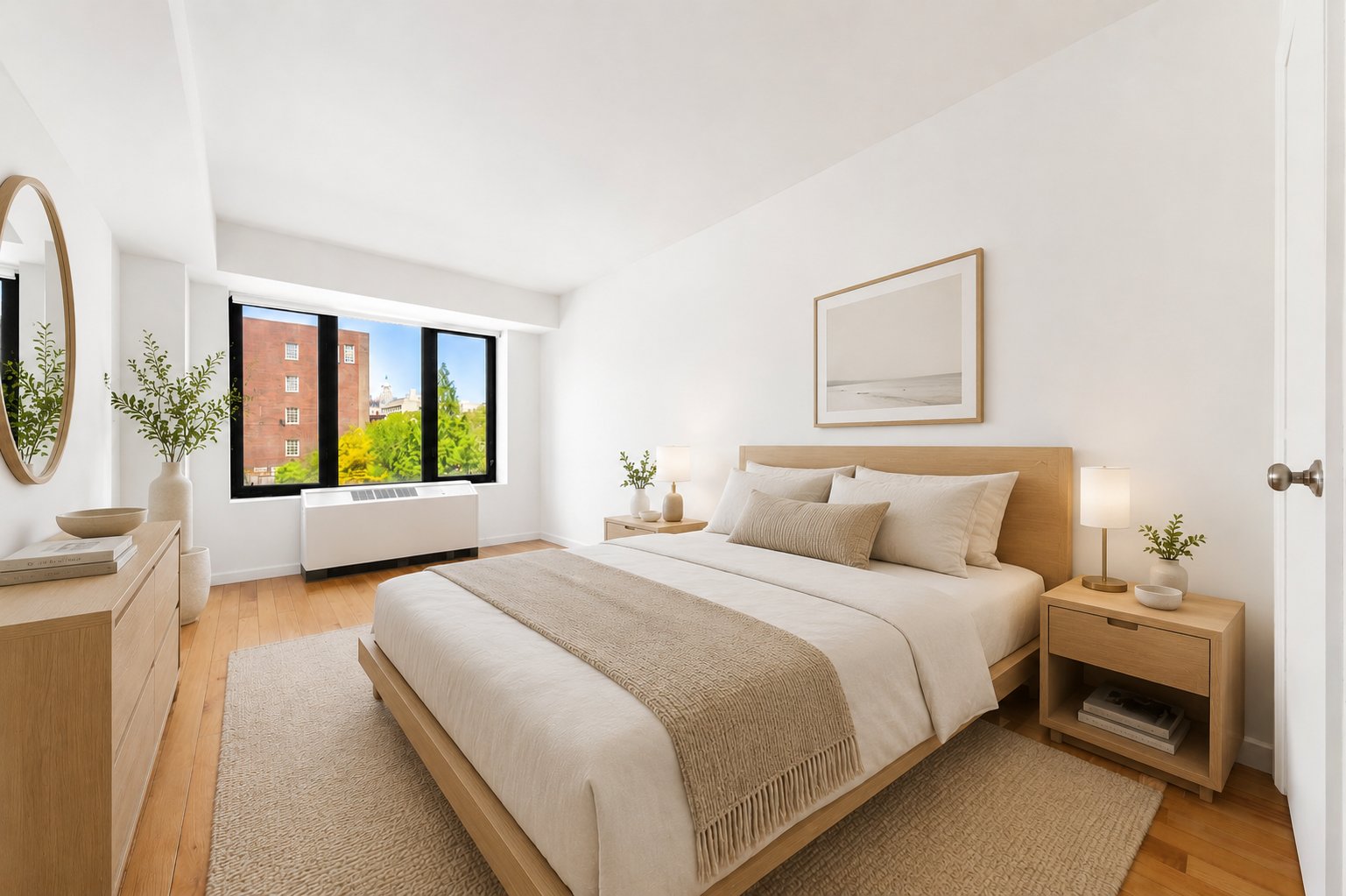
At 189 Avenue C Residence 4E, buyers can move through the process faster with immediate closing flexibility and without board approval delays.
That matters more now than ever, especially for first-time buyers and buyers relocating to New York.
Why Are Sponsor Units So Competitive in Manhattan?
Because they simplify the process.
Sponsor inventory in Manhattan remains limited, particularly in downtown neighborhoods like the East Village.
Buyers are increasingly prioritizing:
- speed
- flexibility
- certainty
- move-in ready condition
That has made sponsor units significantly more attractive over the last several years.
When combined with renovated interiors and strong location, competition increases quickly.
What Are Buyers Looking for in Downtown Manhattan Apartments Right Now?
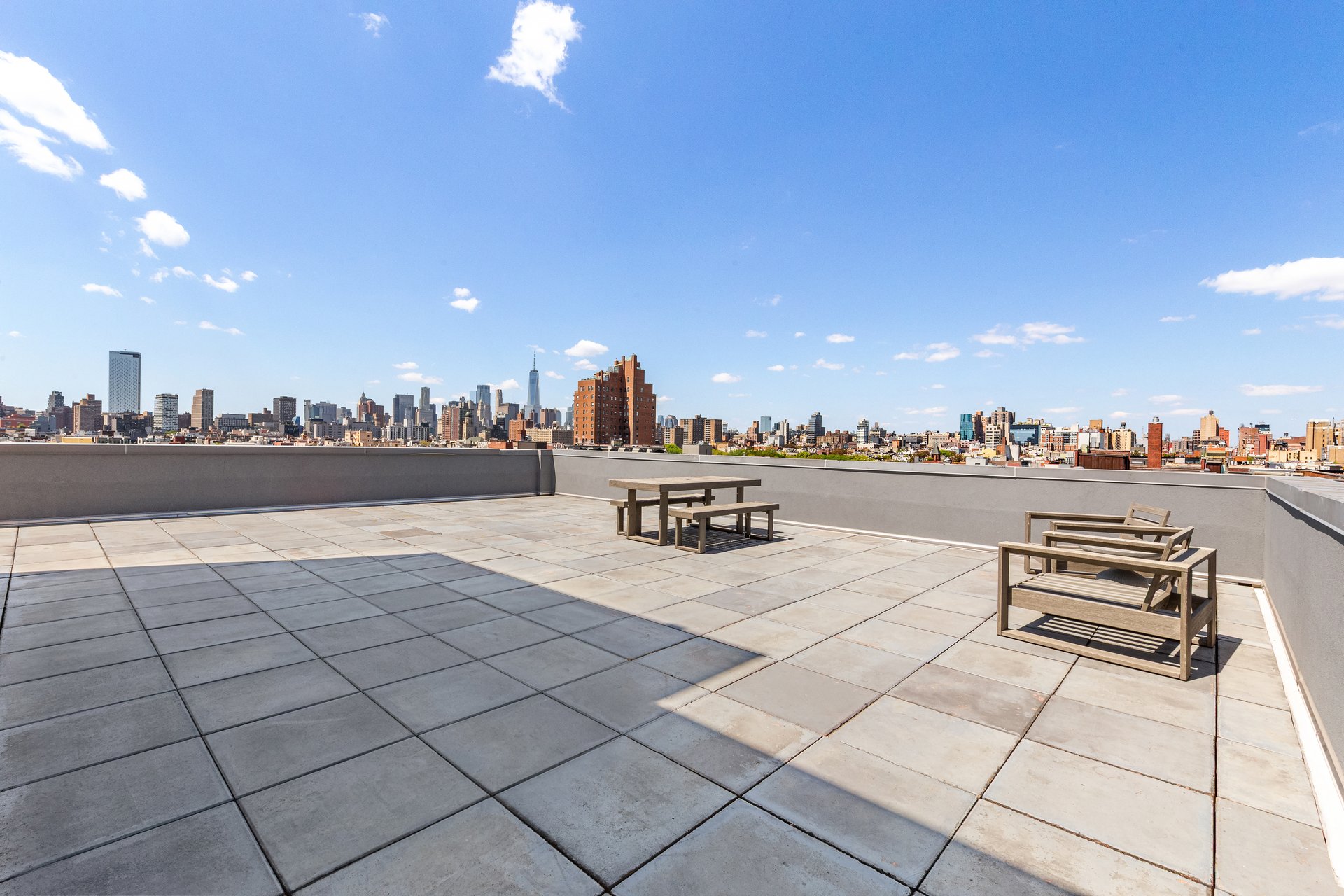
The priorities have become clearer.
Buyers want:
- natural light
- efficient layouts
- renovated kitchens and baths
- boutique buildings
- immediate usability
- neighborhood energy
Large amenity packages matter less downtown than functionality and location.
Properties near parks, cafés, restaurants, and transit continue outperforming because buyers want to live inside the neighborhood, not above it.
How Much Does a Renovated Apartment in the East Village Cost?
Pricing varies based on:
- square footage
- condition
- building type
- outdoor space
- natural light
- proximity to Tompkins Square Park
But renovated downtown Manhattan apartments continue commanding stronger pricing because buyers understand renovation costs, contractor timelines, and permitting delays in New York City.
Move-in ready inventory saves time.
That has real value.
Is Buying a Move In Ready Apartment in NYC Worth It?
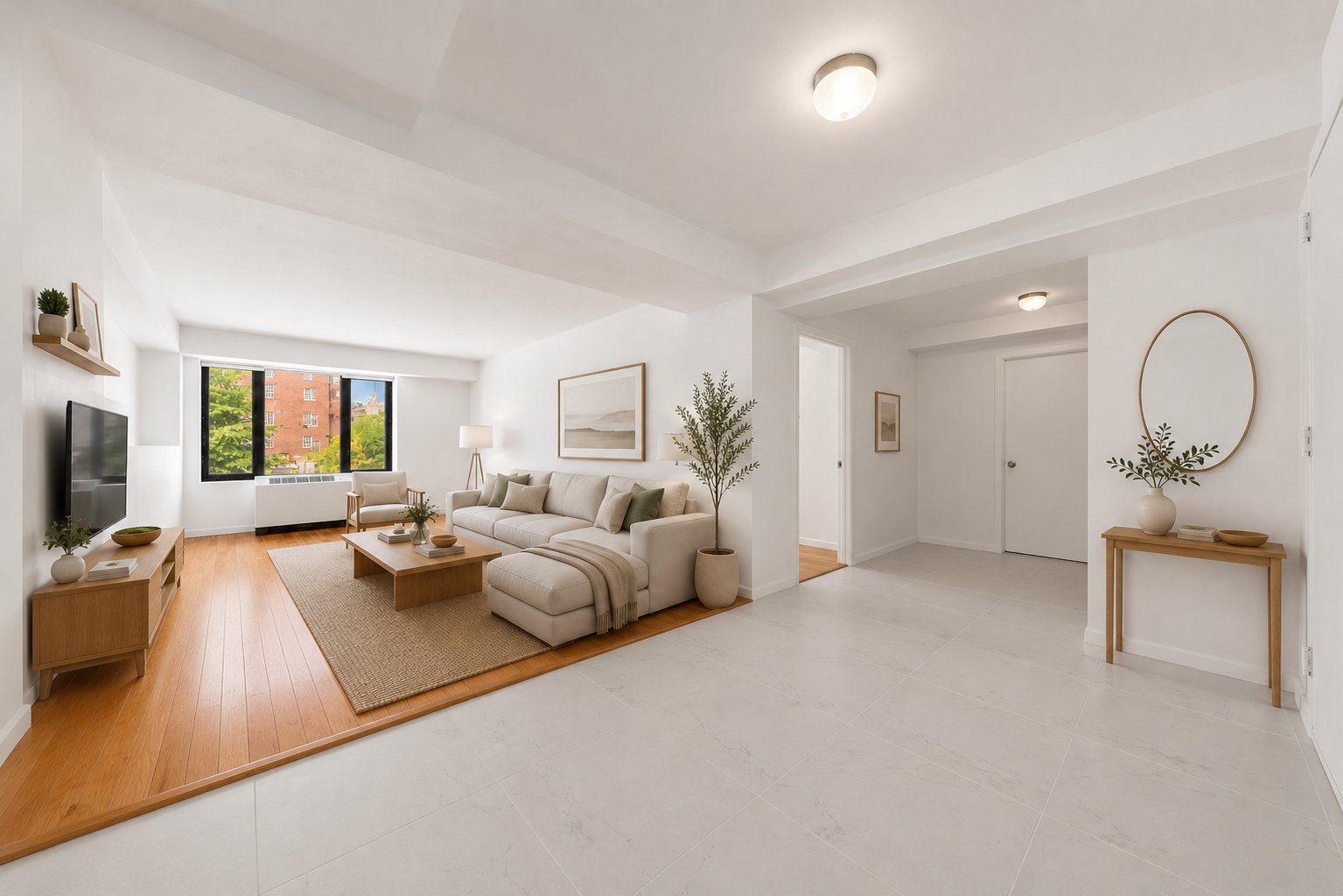
For many buyers, absolutely.
The amount of buyers looking for apartments requiring minimal work continues increasing across Manhattan.
People want:
- immediate occupancy
- predictable costs
- reduced renovation risk
That shift has pushed renovated apartments into a stronger demand category, especially in neighborhoods where inventory remains tight.
189 Avenue C Residence 4E fits directly into that demand profile.
Why Are More Buyers Looking at Smaller Boutique Buildings?
Privacy.
Smaller buildings often provide:
- quieter ownership experience
- lower resident turnover
- fewer elevators and shared spaces
- more neighborhood character
Downtown buyers continue prioritizing buildings that feel integrated into the neighborhood instead of isolated from it.
That is one reason boutique inventory in the East Village continues attracting attention.
What Makes the East Village Different From Other Manhattan Neighborhoods?
The East Village still feels local.
That matters.
Restaurants change constantly.
Independent businesses survive here longer.
People walk more.
The neighborhood operates differently than Midtown or many luxury-heavy corridors downtown.
Buyers looking for downtown Manhattan apartments are often buying into lifestyle first and square footage second.
That psychology continues driving demand.
Final Takeaway
Downtown Manhattan demand has not slowed.
It has become more intentional.
Buyers continue targeting renovated sponsor inventory because it removes friction and allows immediate usability.
And in neighborhoods like the East Village, clean move-in ready apartments with no board approval remain increasingly difficult to find.